Three Sisters
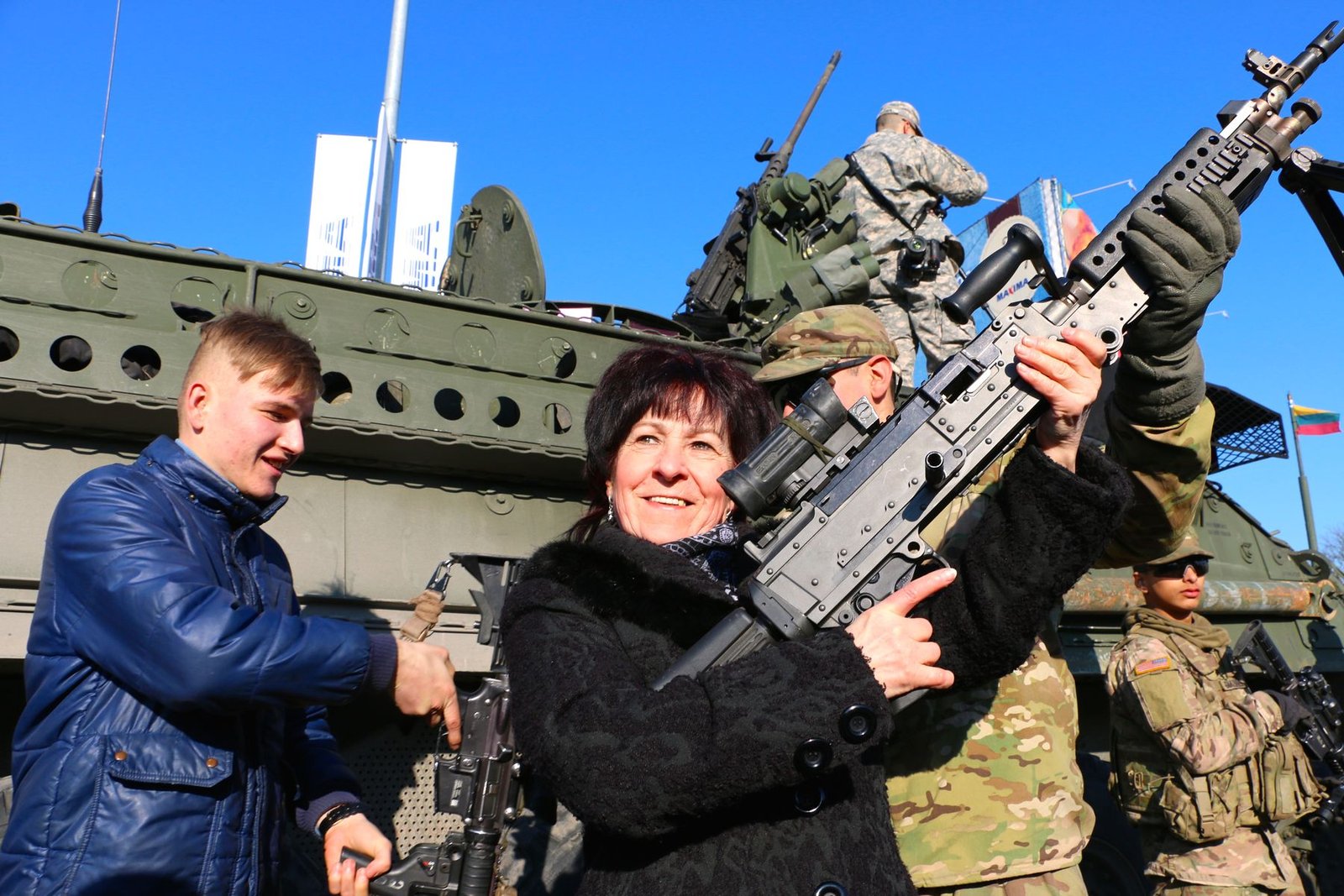
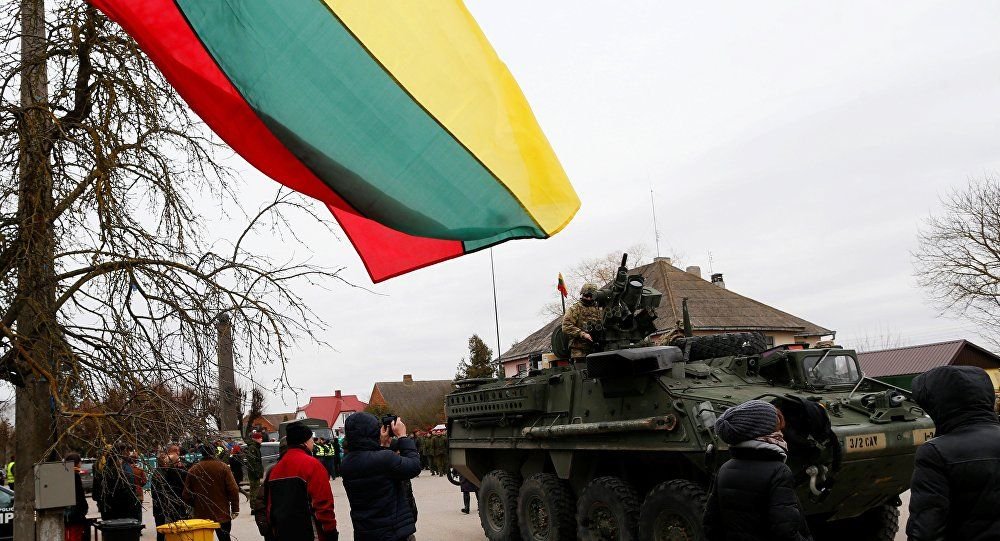
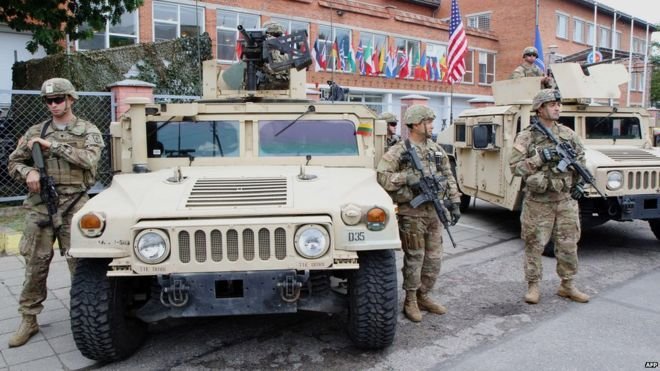
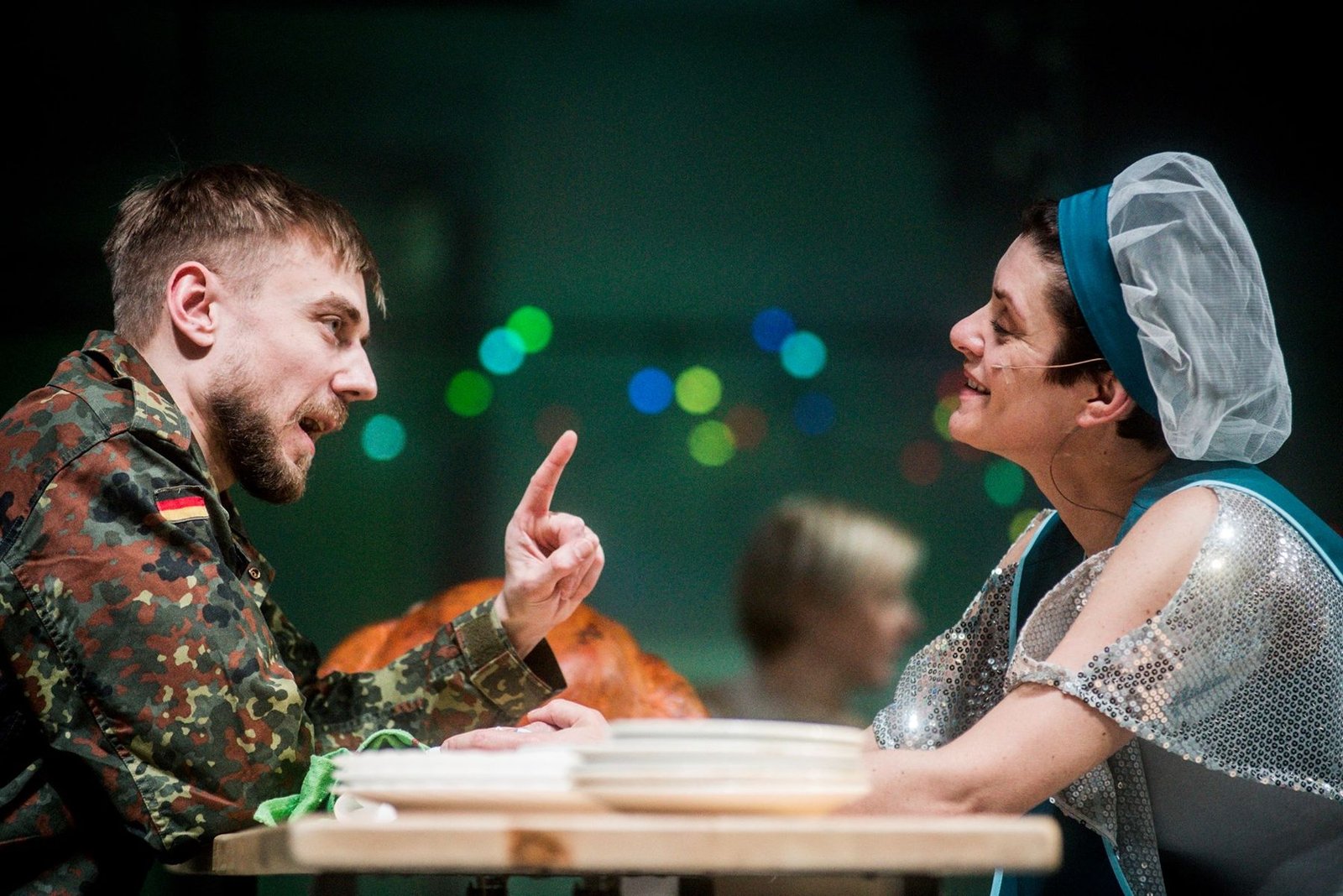
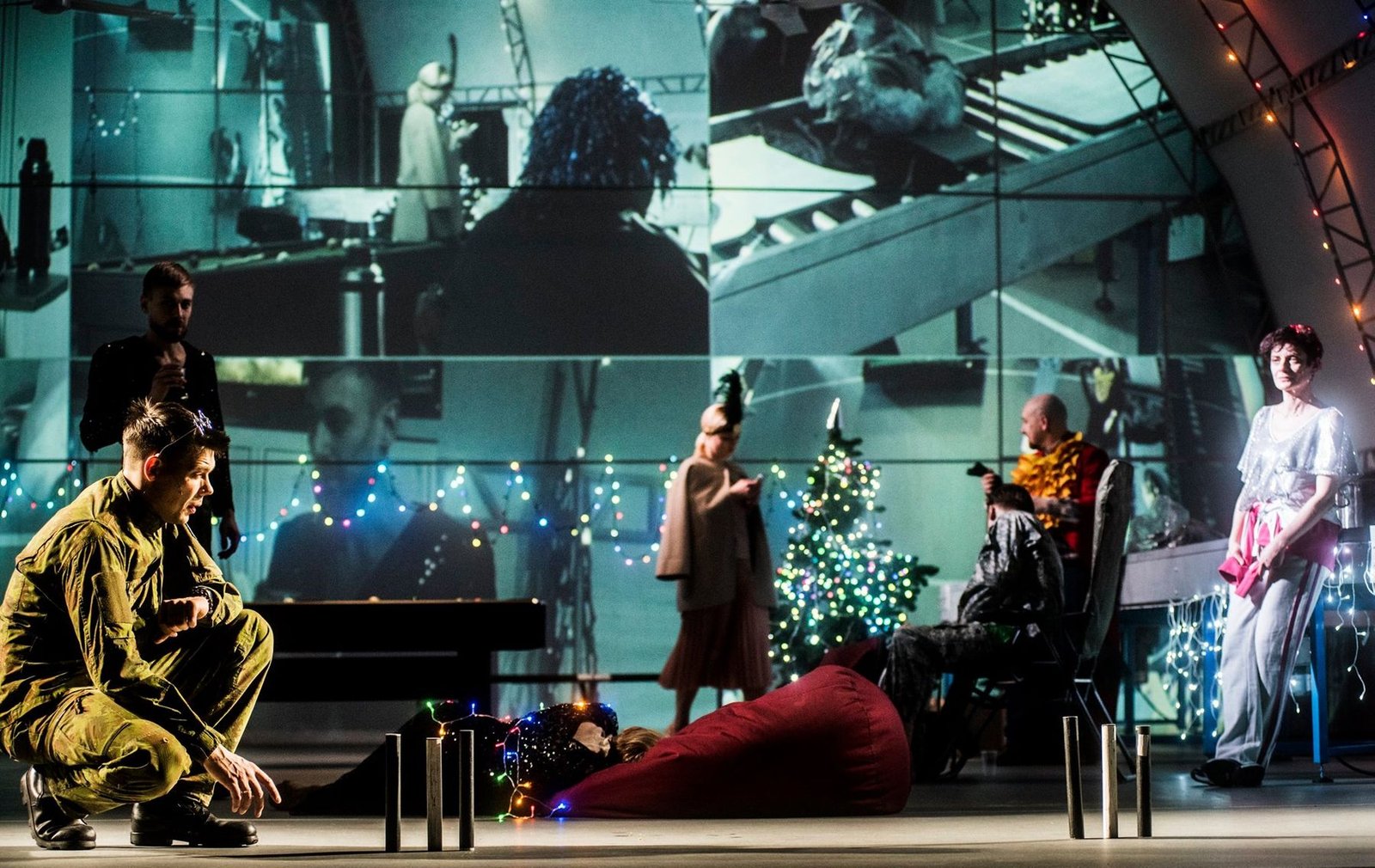
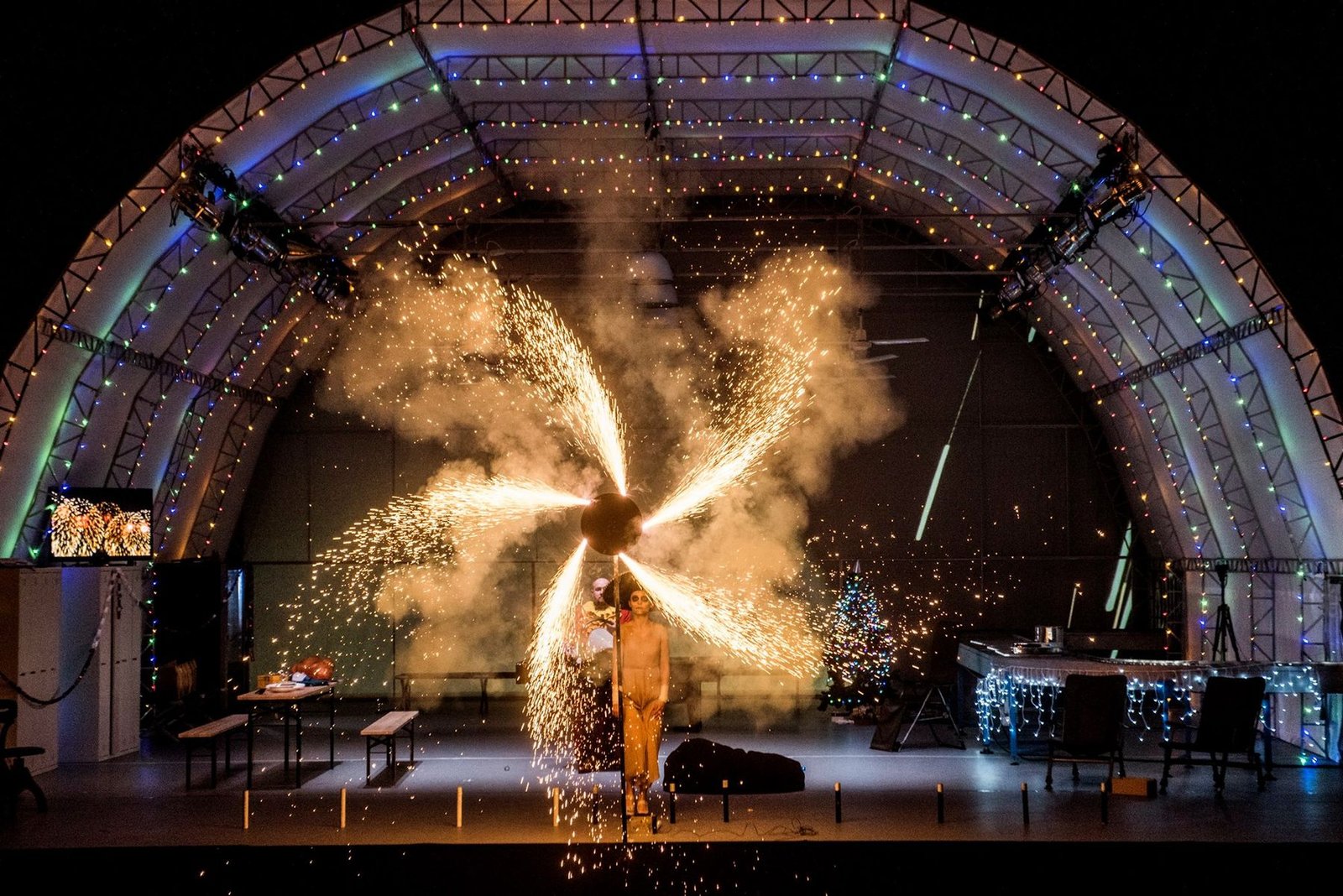
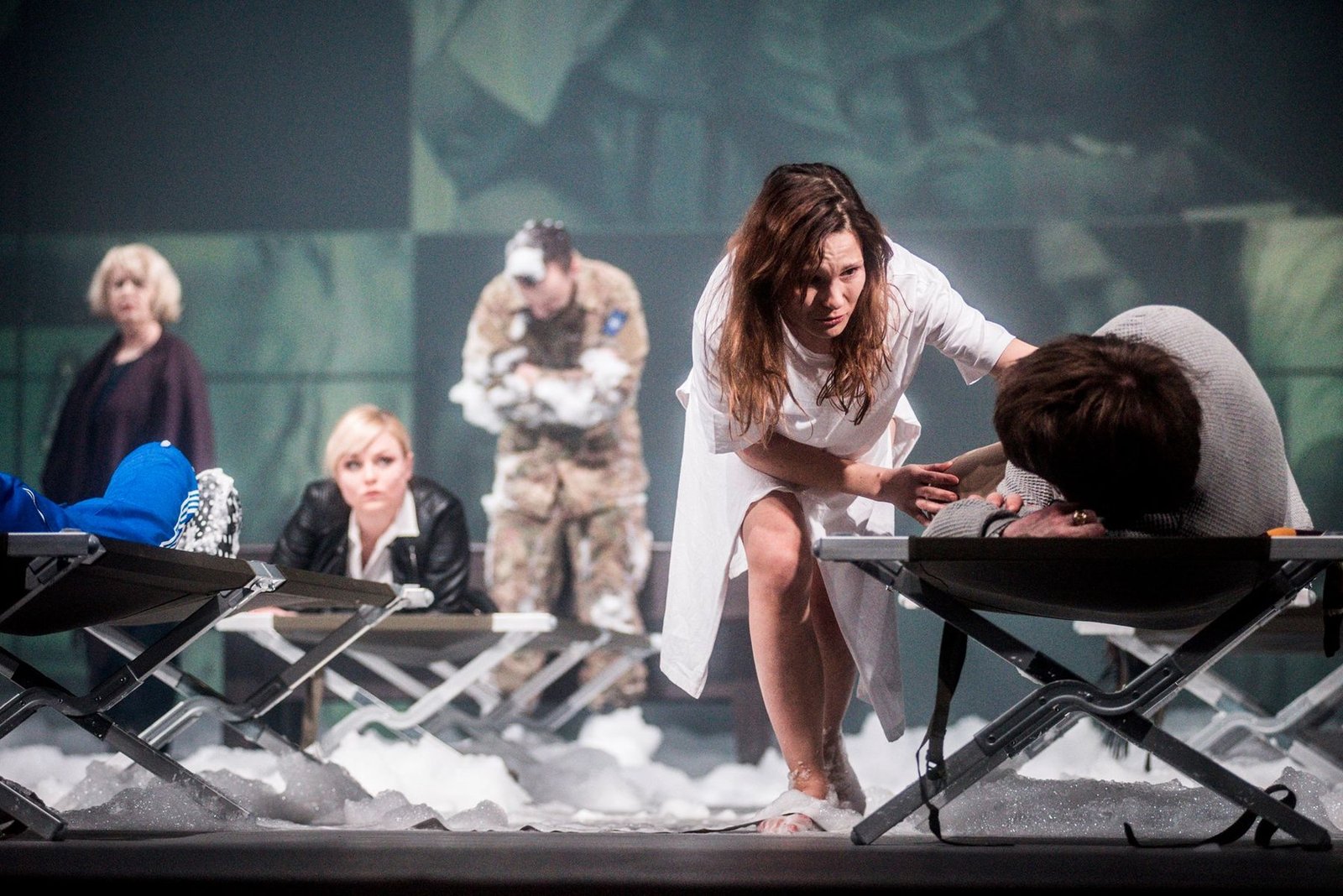
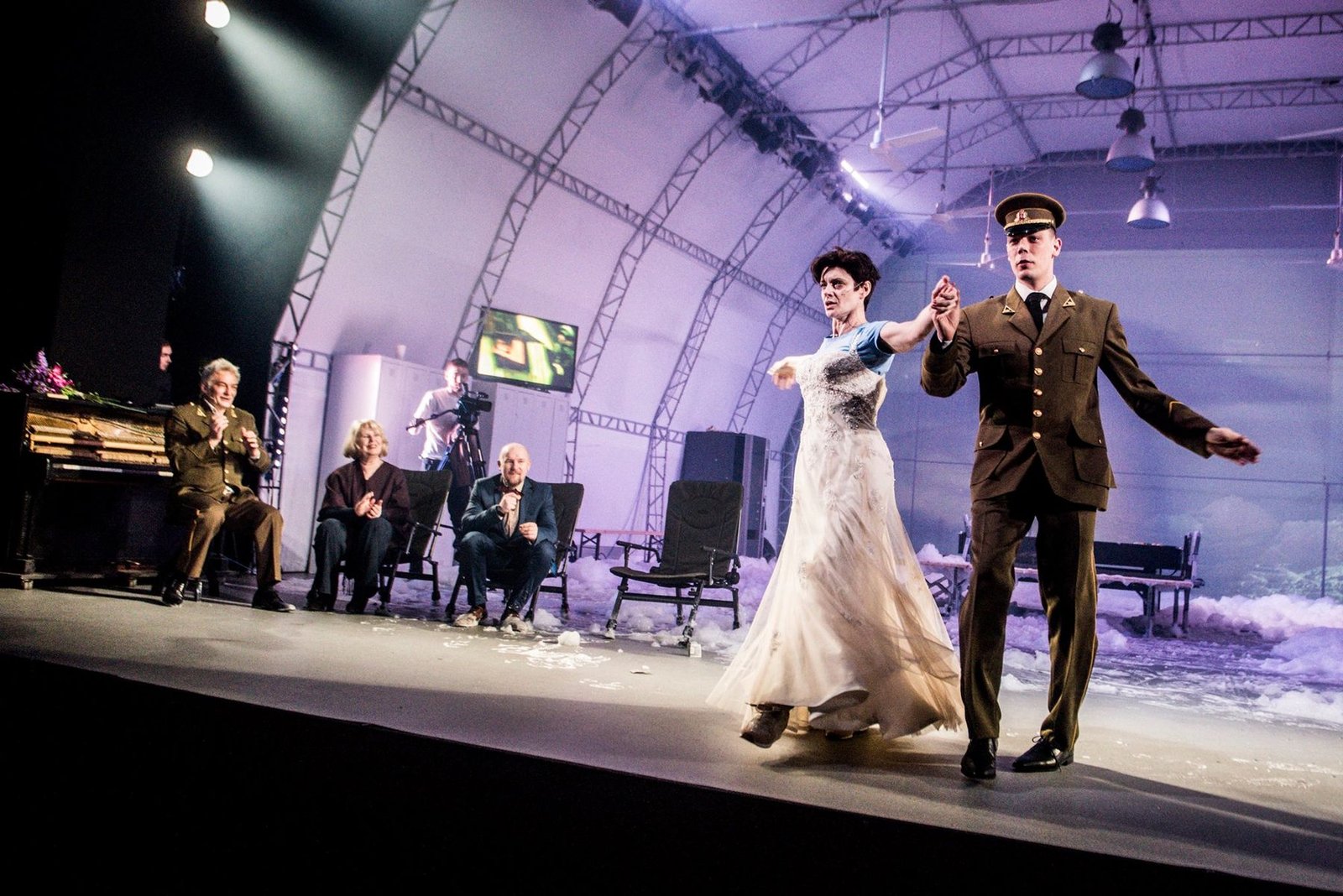
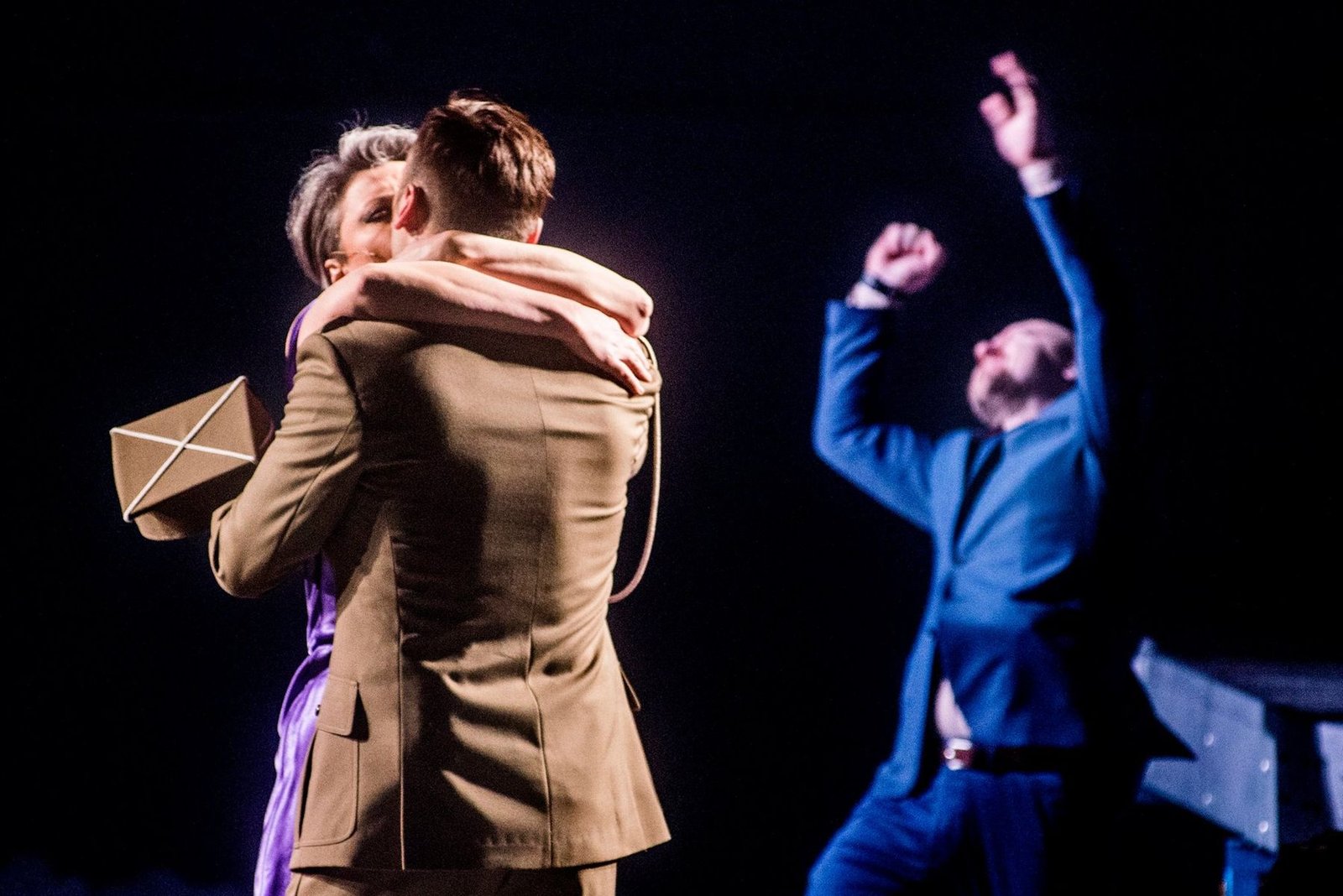
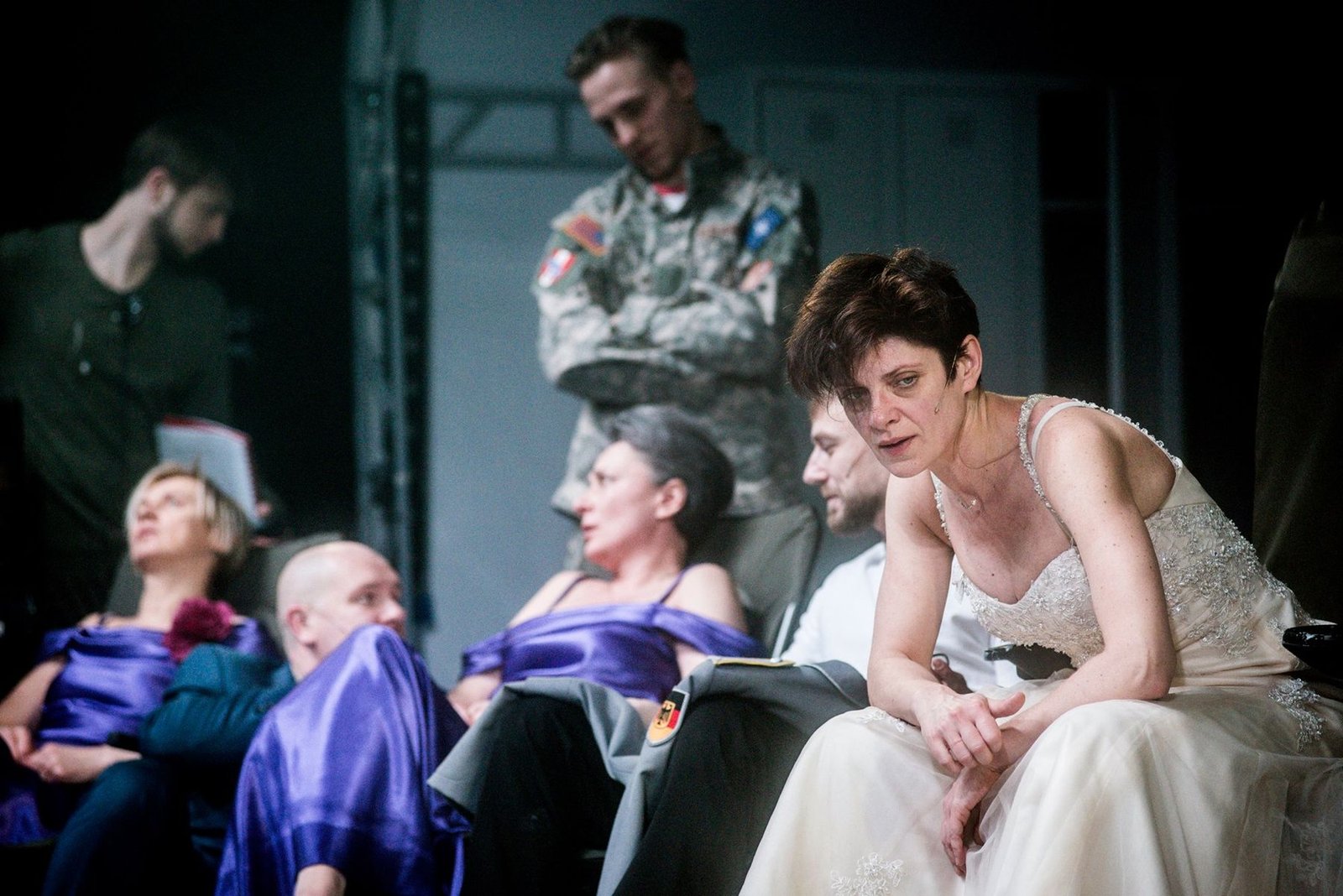
The militarization of Imperial Russia at the start of the 20th century, when Chekhov was writing Three Sisters, is an uncanny parallel to our current frantic mobilization of NATO forces in Central and Eastern Europe, as well as the Russian imperial phantom pains on the border with Ukraine and the Baltics.
Chekhov was looking at the violent intrusion of the military force into civilian routine. He was anticipating World War I and the anxious mood across every class of a modern society.
We look at the Central European political and ideological landscape and the shift to intellectual apathy, so similar to Chekhov’s mood at the time of the play. Our Sisters are stuck in the 2017 town of Vilnius, dreaming of Moscow or Brussels – and the army marches away towards Poland at the end of the play.
There are none of the usual “Chekhovian” tones or clichés – everything is adjusted to reflect the moment in time.
Suicide is a brutal ending, but nonetheless Chekhovian to the core.
Press
- Nina Karpova, Theater Journal
- Alma Braškytė, Menų faktūra
- Thomas Irmer, der Freitag
Team
- Direction
- Yana Ross
- Set & costume
- Simona Biekšaitė
- Video
- Algirdas Gradauskas
- Light
- Vilius Vilutis
Cast
- Rimantė Valiukaitė, Vitalija Mockevičiūtė, Monika Bičiūnaitė, Marius Repšys, Paulius Tamolė, Dainius Jankauskas, Daumantas Ciunis, Toma Vaškevičiūtė, Tadas Gryn, Miglė Polikevičiūtė, Ramūnas Cicėnas
Read the press 3 reviews
Alma Braškytė, Menų faktūra, 2017
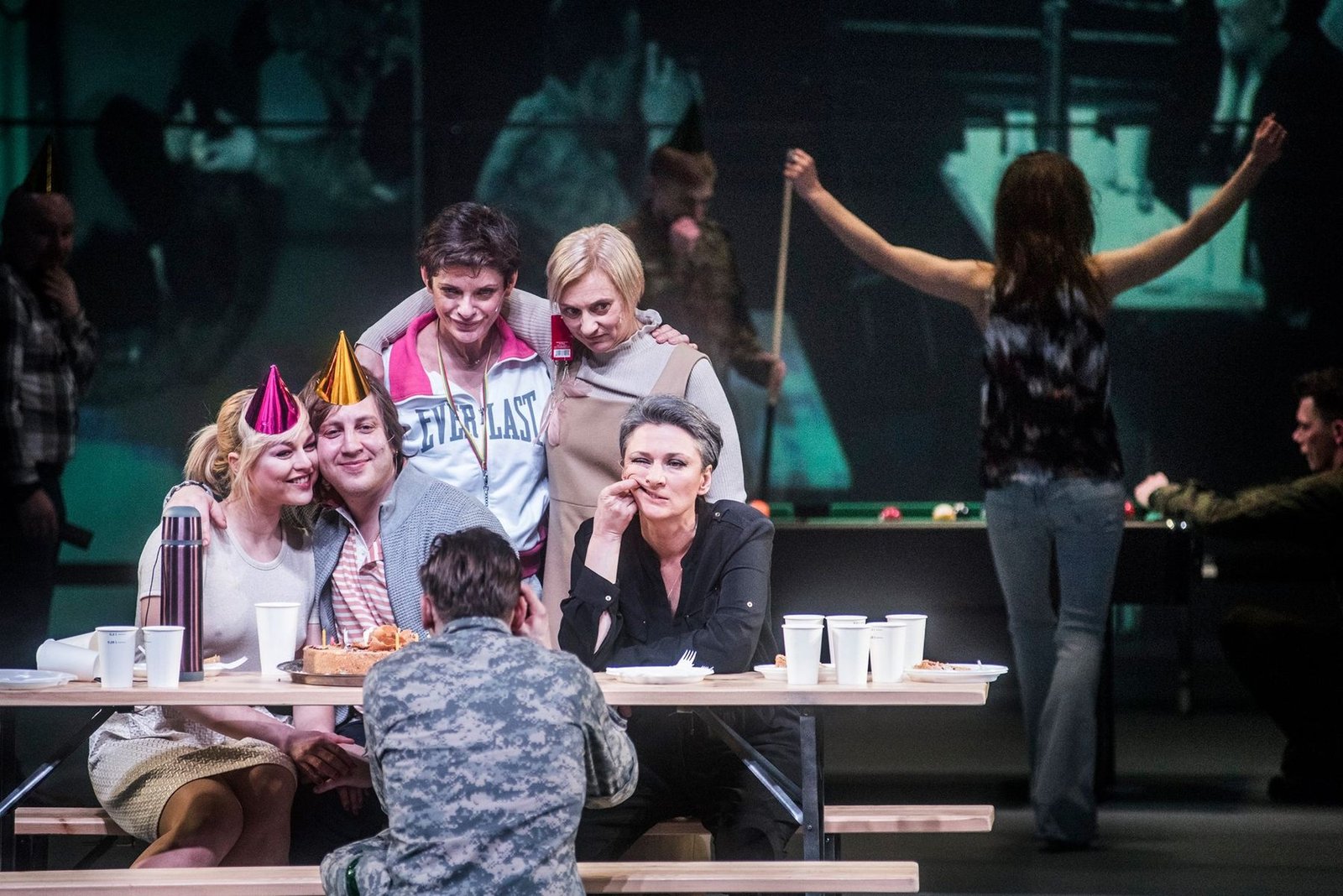
Adaptation moves the play to our time: three sisters and a brother Prozorov are ethnic Russians who were forced to move to the Lithuanian Socialist Republic in 1984 because of their father's military service in the Soviet Union. These sisters are much older than the originals, they are between forty-five and fifty (actresses Monika Bičiūnaitė, Vitalija Mockevičiūtė, Rimantė Valiukaitė), and are still connected to the military – mingling with a deployed NATO troops battalion. The stage design is a huge aircraft hangar, including an impressive moving baggage belt, which carries many objects including weapons. The young scenographer Simona Biekšaitė successfully continues to collaborate with Yana Ross (Wunschkonzert, TR Warszawa); she moves the action from the private Prozorov home into a kind of transit zone, an area with a pool and dining tables, festive lights and fireworks. The hangar's back-wall live media, designed by Algirdas Gradauskas, feeds an omnipresent eye of six surveillance cameras which switch from multi- to single-camera close-ups in moments of tension. When the video goes black and white, it reminds us that all images will once and for all become historical, and a potential long-distance perspective is born: what is happening now will soon be reviewed as historical evidence. Along with those close-ups of military men celebrating New Year, it awakens memories of past world wars.
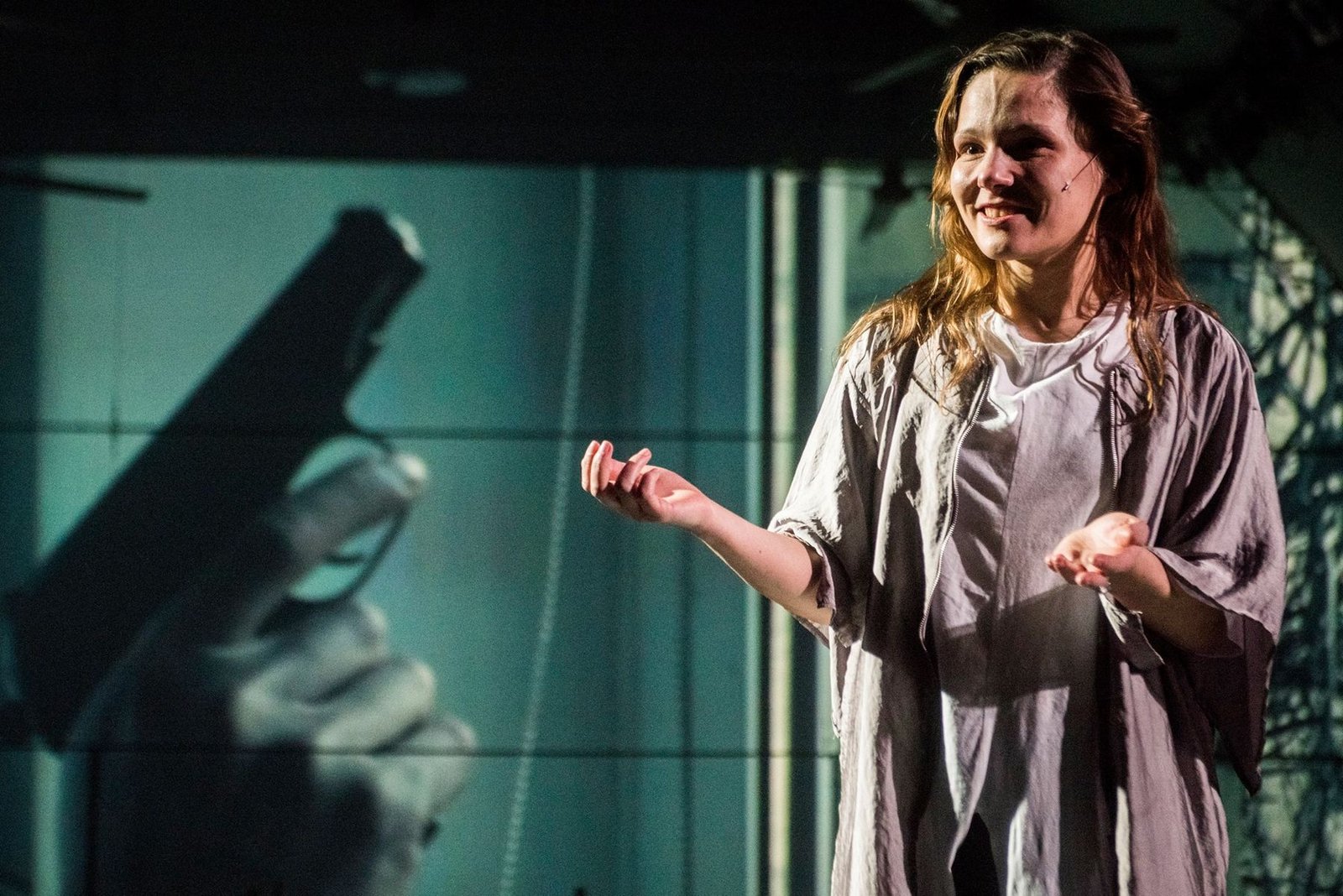
The final monologue shifts the conceptual focus from the sisters to a new character, Agnieszka Wersynska (in this adaptation the wife of the lieutenant colonel), played by Miglė Polikevičiūtė. In the play Vershinin's wife is only hinted at; here she becomes an important character and a kind of seismometer of society: mentally unstable, irrational, fragile. On New Year's night, with bandaged wrists, ghostly make-up and a somnambulistic posture, she creates an image of our aggressive, militant society. Polikevičiūtė precisely feels and conveys her character's duality, without losing a (at times macabre) humorous distance.
Nina Karpova, Theater Journal, 2017
In this performance, Ross radically deconstructs and reassembles the play, pushing it to the edge of the 21st century, and the edge is not only geographical, the edge of Europe or the world; the borderline is also symbolic and full of linguistic tension. There are none of the usual “Chekhovian” tones or clichés – everything is adjusted to reflect the moment in time. Ross is considering the responsibility of parents for the fate of their children and vice versa, but it yields no sympathy or blame from the director: an objective, pragmatic and critical stance. […] The military here is multinational, representing NATO forces and able to communicate among themselves in broken English, German and even Polish, but what unites them most is the constant games (literally and figuratively, the theatre of war) which they perpetually play. Games are the substitute and hide latent aggression and readiness, mobility. The sisters are not young or naive – these women, in their late forties, are capable of reconciling with their fears and mistakes, hopes and failures. Masha is drinking herself to death, Irina slaves away in the kitchen, and Olga is most likely responsible for pushing her younger brother into a hastened marriage, just to get away from this triple “mothering.” […] Instead of the long final soliloquy about hope and salvation through labour, the director once again (as with her earlier Chekhov productions) turns to the theme of self-destruction. Baron von Tusenbach does not lose his life in a duel; he does use the pistol, facing the trigger himself. Suicide is a brutal ending, but nonetheless Chekhovian to the core.
Thomas Irmer, der Freitag, 2017
[…] one has to remember that Chekhov wrote this play while spending his summer in Crimea, part of the Russian Empire at the time. It is crucial for Ross to reflect upon the political implications of Russian expansion, especially since Crimea has been annexed by Russia once again. Not many directors (except for a few in Germany, perhaps) turn to dangerous and volatile political contexts, but for Ross it has become an inseparable context for most of her performances.